Donating a car in California can be a convenient way to dispose of an unwanted vehicle while supporting a qualified charitable organization. Depending on the organization and the vehicle, the charity may arrange pickup, sell the vehicle and use the proceeds for its charitable programs, or use the vehicle directly.
There can also be federal tax benefits for eligible donors. However, donating a vehicle does not automatically mean you receive a tax refund. The federal tax deduction has specific requirements, and the amount you can claim can depend on how the charity uses or sells the vehicle.
California residents should also pay attention to the vehicle-transfer and liability process.
This guide explains how the process generally works, what documents you may need, how vehicle pickup works and what to know about the potential tax deduction.
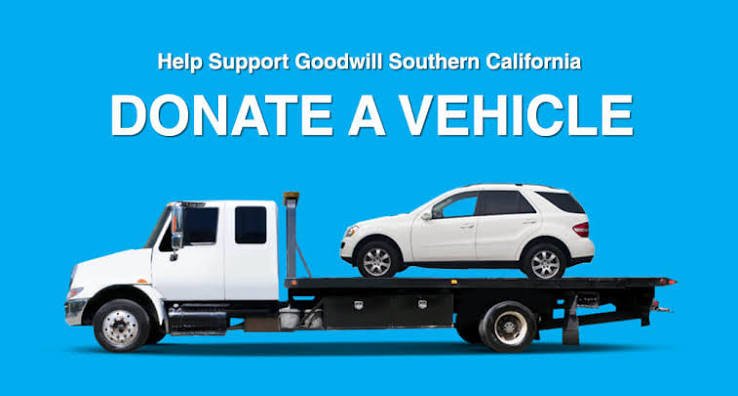
What Does It Mean to Donate a Car?
A car donation involves transferring ownership of a vehicle to an eligible charitable organization.
Depending on the charity’s program, the organization may:
- Use the vehicle for charitable purposes
- Repair and use the vehicle
- Give or sell the vehicle under a qualifying charitable program
- Sell the vehicle and use the proceeds to support its mission
- Send the vehicle to an auction or recycling facility
The tax treatment can depend on what happens to the vehicle after you donate it.
The IRS considers a qualified vehicle to include a car or other motor vehicle manufactured primarily for use on public streets, roads and highways.
Who Can Donate a Car in California?
Generally, you should be the legal owner of the vehicle or otherwise have the authority to transfer ownership.
Before starting the donation process, check:
- Vehicle title
- Registration
- VIN
- Current mileage
- Lien information
- Ownership information
- Vehicle condition
If a lender or another legal owner still has an interest in the vehicle, you may need to resolve the lien before donating it.
A charity may also have its own eligibility requirements.
For example, some organizations may accept:
- Cars
- SUVs
- Pickup trucks
- Vans
- Older vehicles
- Non-running vehicles
Other organizations may have restrictions.
Therefore, check the charity’s vehicle acceptance policy before scheduling pickup.
Can You Donate a Car That Doesn’t Run?
Many vehicle donation programs accept cars that are no longer operational.
A non-running vehicle may still have value because it can potentially be:
- Repaired
- Sold
- Auctioned
- Used for parts
- Recycled
However, towing availability depends on the organization.
When contacting a charity, provide accurate information about the vehicle.
Tell them if:
- The engine doesn’t start
- The tires are flat
- The vehicle has accident damage
- The keys are missing
- The vehicle is parked in a difficult location
This helps the organization determine whether pickup is possible.
How Does Car Donation Pickup Work?
One of the most convenient parts of vehicle donation is that many organizations arrange pickup.
The general process looks like this:
Step 1: Choose a Qualified Charity
Research the organization before donating.
Check:
- Whether it is eligible to receive charitable contributions
- Its donation process
- How vehicle proceeds are used
- Required documentation
- Pickup arrangements
If you want the donation to qualify for a federal charitable deduction, make sure the recipient organization is eligible under applicable IRS rules.
Step 2: Submit Your Vehicle Information
The charity or donation service may ask for:
- Name
- Address
- Phone number
- Vehicle make
- Model
- Year
- VIN
- Mileage
- Vehicle condition
- Title information
Step 3: Schedule Pickup
If the vehicle is accepted, the organization may arrange a towing company or another pickup service.
Pickup may be available from:
- Home
- Workplace
- Parking lot
- Repair shop
- Other accessible locations
Availability varies by organization and location.
Step 4: Complete the Transfer
You will need to follow the charity’s instructions for signing over ownership.
Keep copies of the relevant paperwork.
Step 5: Obtain Donation Documentation
After the donation, obtain the appropriate written acknowledgment or IRS Form 1098-C when required.
This documentation is particularly important if you intend to claim a federal tax deduction.
California DMV and Notice of Transfer
California has a specific process for notifying the DMV after transferring a vehicle.
The California DMV says the registered owner or person in physical possession who transfers a vehicle must submit a Notice of Transfer and Release of Liability (NRL) within five calendar days of the transfer.
The NRL helps establish that you are no longer responsible for certain violations associated with the vehicle after the transfer date.
California DMV also states that submitting the NRL itself does not complete the ownership transfer. The new owner must complete the title-transfer requirements.
For a donation, follow the specific instructions provided by the charity and California DMV.
What Documents Do You Need?
Documents can vary depending on the vehicle and charity, but you may need:
- California Certificate of Title
- Vehicle registration information
- VIN
- Odometer information
- Keys
- Lien release, if applicable
- Donation receipt
- Written acknowledgment
- Form 1098-C, when applicable
Don’t hand over important original documents without understanding exactly where they are going and why they are required.
How Does the California Car Donation Tax Deduction Work?
This is one of the most important parts of the process.
A car donation can potentially qualify as a charitable contribution for federal tax purposes if the requirements are met.
But the deduction is not necessarily equal to what you think the car is worth.
For a qualified vehicle valued above $500, IRS rules generally limit the deduction to the smaller of the vehicle’s fair market value or the gross proceeds received by the charity from selling it, unless a qualifying exception applies.
For example, suppose:
- Your vehicle’s fair market value is $7,000
- The charity sells it for $4,500
In a normal sale situation subject to the IRS vehicle-donation limitation, the deduction may generally be limited to the $4,500 gross proceeds rather than automatically being $7,000.
The charity’s documentation is therefore important.
What Is Form 1098-C?
Form 1098-C is used for certain charitable contributions of motor vehicles, boats and airplanes.
For vehicle donations where the claimed deduction exceeds $500, IRS documentation requirements become more extensive. The charity’s acknowledgment may include information such as:
- Donor information
- VIN
- Date of contribution
- Sale information
- Gross proceeds
- Information about the charity’s use of the vehicle
The IRS says the required acknowledgment generally must be received within the applicable 30-day period.
Keep this documentation with your tax records.
When Can You Deduct Fair Market Value?
There are circumstances in which the normal gross-proceeds limitation does not apply.
The IRS identifies situations including:
- The charity makes significant intervening use of the vehicle
- The charity makes a material improvement to the vehicle
- The charity gives or sells the vehicle to a needy individual at a significantly below-market price as part of its charitable purpose
In qualifying situations, the deduction can generally be based on the vehicle’s fair market value, subject to applicable tax rules.
Don’t assume that a charity’s use of the vehicle automatically qualifies. The documentation should indicate how the applicable exception is treated.
Do You Automatically Get a Tax Refund?
No.
A charitable deduction generally reduces taxable income; it isn’t the same thing as receiving the vehicle’s value in cash.
Also, whether you can benefit from a charitable deduction depends on your overall tax situation and applicable deduction rules.
Before claiming a large vehicle donation deduction, consider speaking with a qualified tax professional.
How Should You Determine the Car’s Value?
Fair market value is generally the price property would change hands for between a willing buyer and willing seller under relevant conditions.
When evaluating a donated vehicle, consider:
- Make
- Model
- Year
- Mileage
- Condition
- Optional equipment
- Accident history
- Local market conditions
Don’t simply use the highest online listing you can find.
Your documentation should support the value you claim.
What If Your Car Is Worth Less Than $500?
The IRS has different substantiation rules depending on the amount claimed.
For vehicle donations where the claimed deduction is $250 or more, written acknowledgment requirements can apply. For claimed vehicle deductions over $500, additional vehicle-specific rules apply.
Keep the donation receipt and other records even if the vehicle is relatively low-value.
What Happens to the Car After Donation?
There isn’t one universal process.
A donated vehicle may be:
- Sold directly
- Sold through an auction
- Used by the charity
- Repaired
- Donated or sold to a qualifying recipient
- Recycled
The charity’s treatment can affect the tax documentation you receive.
Ask the organization:
“What happens to the vehicle after I donate it?”
This is a useful question before scheduling pickup.
How to Choose a Car Donation Charity
Before donating, compare:
- Charity eligibility
- Mission
- Vehicle acceptance policy
- Pickup availability
- Documentation
- Tax receipt process
- Transparency regarding vehicle proceeds
- Contact information
- State registration or compliance information where applicable
Avoid making your decision solely because a website promises a particular tax deduction amount.
No legitimate organization should guarantee a specific tax benefit without knowing your individual tax situation.
Car Donation Process Checklist
Before pickup:
- Confirm the organization
- Verify that the organization can receive charitable contributions
- Confirm vehicle eligibility
- Locate the title
- Check for outstanding liens
- Record mileage
- Remove personal belongings
- Photograph the vehicle
- Photograph the VIN
- Schedule pickup
- Complete required transfer paperwork
- Submit California DMV NRL as applicable
- Obtain donation receipt
- Request Form 1098-C when applicable
- Keep tax records
Common Car Donation Mistakes
Mistake 1: Assuming the car’s market value equals the tax deduction
The IRS vehicle-donation rules can limit the deduction based on the charity’s sale proceeds.
Mistake 2: Forgetting DMV paperwork
California’s NRL deadline is five calendar days after transfer.
Mistake 3: Leaving personal property inside
Remove documents, electronics, toll transponders and other belongings before pickup.
Mistake 4: Not keeping documentation
Keep the receipt, title-transfer records, acknowledgment and other relevant documents.
Mistake 5: Choosing a charity without researching it
Understand the organization and its donation process before handing over your vehicle.
Final Thoughts
Donating a car in California can be relatively straightforward when the paperwork and charity requirements are handled correctly.
The basic process is:
Choose a qualified charity → confirm vehicle eligibility → schedule pickup → transfer the vehicle → complete California DMV requirements → receive donation documentation → determine your eligible tax deduction.
The most important tax point is that the deduction isn’t automatically equal to the vehicle’s estimated market value. For many vehicle donations over $500, the IRS generally bases the deduction on the smaller of fair market value or the charity’s gross sale proceeds, unless an applicable exception applies.
This article is for general informational purposes and is not tax or legal advice. Federal and California rules can change, and your actual deduction depends on your individual circumstances. Consult a qualified tax professional for advice about your tax return.
Suggested Internal Links:
- Homeowners Insurance in Florida
- Car Insurance in California
- First-Time Home Buyer Mortgage Guide
- Personal Loans in Canada